

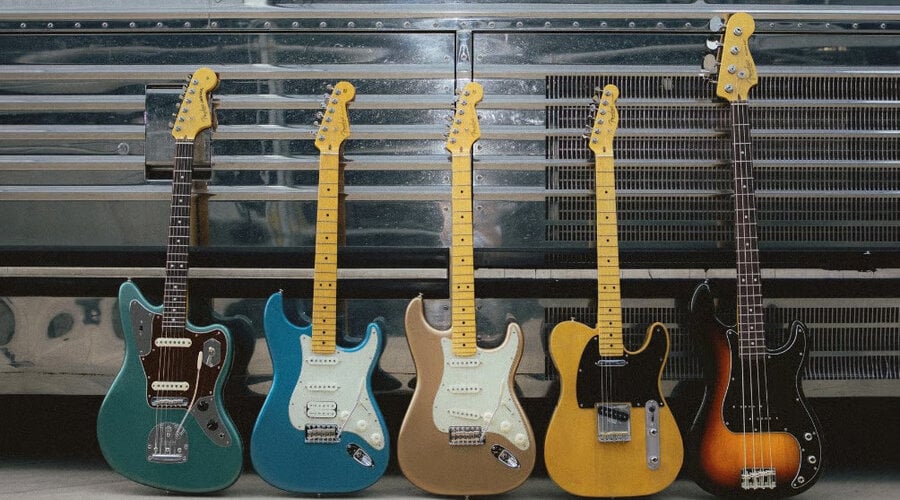
Review: Fender American Professional Classic Guitars & Basses
A thoughtful blend of vintage vibe and modern practicality
When Fender releases a new U.S.-made line, it’s always worth paying attention. The American Professional Classic series sits in an interesting spot within the company’s lineup: designed to capture the visual and tonal appeal of vintage Fender instruments while maintaining the comfort and reliability modern players expect.
The lineup includes familiar shapes such as Stratocaster, Telecaster, Jazzmaster, Jaguar, and bass staples like the Fender American Professional Classic Precision Bass and Fender American Professional Classic Jazz Bass. At around $2100 CDN, the instruments are positioned as accessible U.S.-made options for working musicians rather than luxury collectibles.
After digging into the specs and early impressions, the series feels like a thoughtful attempt to bridge two worlds: traditional Fender DNA and modern playability.
First Impressions: Familiar, But Refined
The American Professional Classic instruments immediately look like classic Fenders. Alder bodies, traditional contours, vintage-style bridges, and period-inspired finishes give them a distinctly retro vibe.
But these aren’t strict reissues.
Instead, Fender mixes vintage styling with contemporary ergonomics. One of the most noticeable features is the Modern “C” neck profile with a 9.5-inch fingerboard radius and medium jumbo frets, which provides a comfortable feel and easier bending than many true vintage-style necks.
For many players, this is the sweet spot:
-
Vintage look
-
Modern playability
-
Reliable stage performance
It’s the kind of instrument you can take to a gig without worrying about fragile vintage specs slowing you down.
Tone: Vintage Character With Extra Punch
A major part of the new line is Fender’s Coastline pickups, designed to deliver traditional tones with a bit more output and clarity.
For example:
-
The Fender American Professional Classic Precision Bass uses a Coastline ’60 split-coil pickup, aiming for warmth and punch while maintaining the classic P-Bass character.
-
The Fender American Professional Classic Jazz Bass features Coastline ’62 single-coils, slightly overwound for added focus and articulation.
In practice, these pickups seem designed to satisfy two camps:
-
Traditionalists who want recognizable Fender tone
-
Modern players who need a bit more output and clarity in a mix
Early reviews of the Precision Bass describe the sound as the familiar Fender thump, but with added heat and definition—great for both clean playing and driven tones.
Playability: One of the Series’ Biggest Strengths
Where these instruments really shine is playability.
The neck shape, satin finish, and slightly flatter fingerboard radius make the instruments feel comfortable right away. Reviewers frequently highlight how balanced and easy the basses are to play across different hand sizes.
For guitarists, the same philosophy carries across the line. The American Professional Classic guitars are designed to feel like a vintage instrument that’s already been “broken in,” rather than something you have to fight.
In other words: classic feel without vintage limitations.
Hardware and Electronics
The hardware leans toward vintage authenticity but with subtle improvements:
Key features include:
-
Vintage-style bridges and tuners
-
Greasebucket tone circuit, which rolls off highs without muddying the low end
-
Classic Fender finishes with lightly faded aesthetics
The Greasebucket circuit is especially useful for bass players. Unlike traditional tone controls that can dull the sound, this design keeps the fundamental tone intact when rolling off treble.
Small touches like this reinforce the idea that Fender built the series for working musicians, not collectors.
What Fender Got Right
Overall, the American Professional Classic series succeeds in several key areas.
1. A sensible place in the lineup
The instruments effectively sit between Fender’s entry-level U.S. offerings and its premium lines. That makes them a strong option for players who want American-made quality without paying Ultra-level prices.
2. Modern comfort without losing identity
Fender didn’t chase trends or over-modernize the designs. The guitars and basses still feel unmistakably Fender.
3. Excellent tone out of the box
The new pickups deliver recognizable Fender sounds with just enough modern punch to keep them relevant in contemporary mixes.
Shortcomings and Criticisms
No instrument line is perfect, and the American Professional Classic series has a few downsides worth mentioning.
1. Gig bag instead of a hard case
At roughly $2100, some players expect a hard case. Instead, Fender includes a gig bag.
It’s not a dealbreaker, but it’s an easy place where the value proposition could feel slightly thinner.
2. Specs that may feel “too safe”
Some players hoping for a more vintage-correct instrument might find the series a little conservative. The modern radius and fret size are great for playability, but purists might prefer the more historically accurate specs found in Fender’s reissue lines.
3. Occasional quality concerns
Like many mass-produced instruments, quality control can vary slightly from unit to unit. While most reviews praise the build quality, a few players online have reported minor alignment or finishing issues on certain instruments.
That said, these seem to be the exception rather than the rule.
The Verdict
The American Professional Classic series might not be revolutionary, but it doesn’t need to be.
Instead, it accomplishes something arguably more important:
making classic Fender designs feel practical and relevant for modern musicians.
If you want an instrument that:
-
looks vintage
-
feels comfortable
-
sounds unmistakably Fender
-
and doesn’t cost custom-shop money
then this line is well worth exploring.
For many players, these guitars and basses may quietly become the most practical U.S.-made Fenders in the catalog.
A balanced, gig-ready Fender line that hits the sweet spot between tradition and modern usability.
Leave a comment